Understanding Constipation
Constipation means having fewer bowel movements than usual. Often, stools become hard or difficult to pass. Many people feel bloated or uncomfortable. For some, constipation is a short-term problem. However, for others, it can last longer and affect daily life. According to the World Health Organization (WHO), constipation is common and can affect people of all ages.
What Is Acupuncture?
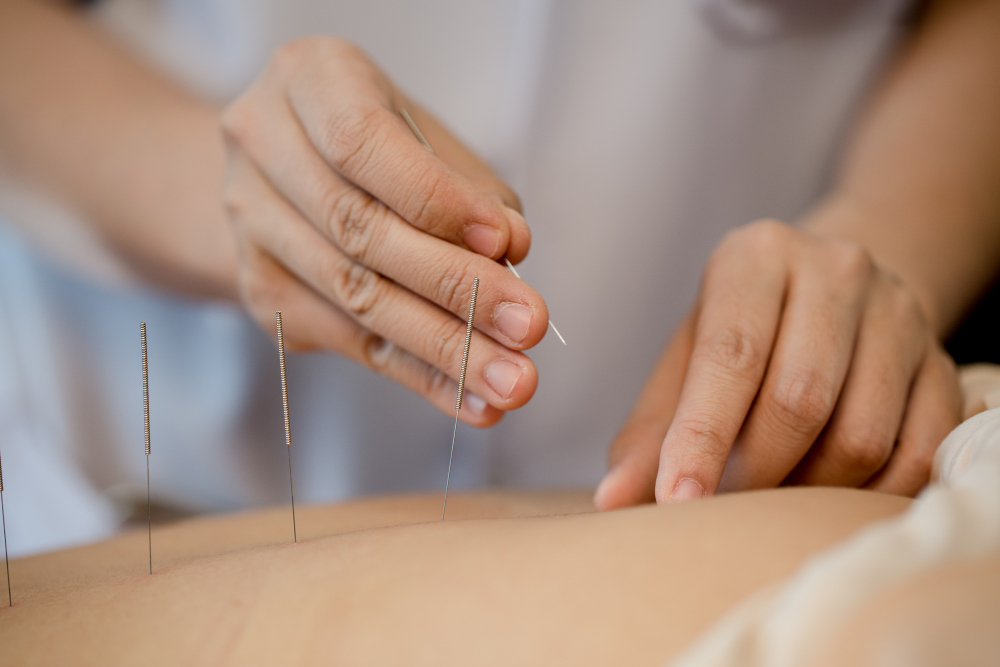
Acupuncture is a traditional Chinese medicine practice. It involves placing very thin needles into specific points on the body. These points are believed to help balance the body’s energy, called “Qi.” Many people use acupuncture for pain relief. However, it is also used for other health issues, including digestive problems like constipation.
How Acupuncture May Help with Constipation
Acupuncture for constipation works by targeting points that may improve gut movement. Some studies suggest that acupuncture can help relax the muscles in the digestive tract. As a result, it may help stools move more easily. In addition, acupuncture may help reduce stress, which can also affect digestion. For example, research in medical journals shows that acupuncture may increase bowel movements in people with chronic constipation.
While more research is needed, many people report feeling better after acupuncture sessions.
Benefits and Potential Risks of Acupuncture for Constipation
There are several benefits to using acupuncture for constipation. First, it is a natural remedy. Second, it does not involve medicine or harsh chemicals. Third, many people find it relaxing. However, like any treatment, there are some risks. For instance, minor bruising or soreness can happen where the needles are placed. Rarely, infection or injury may occur if needles are not sterile. Therefore, always choose a licensed and experienced acupuncture specialist.
What to Expect During an Acupuncture Session for Constipation
Before your session, the acupuncturist will ask about your health and symptoms. Next, you will lie down comfortably. Then, the specialist will gently place thin needles into specific points, often on your hands, legs, or stomach. Most people feel little or no pain. The needles usually stay in place for 20 to 30 minutes. During this time, you may feel relaxed or even sleepy. After the session, you can return to your normal activities.
Lifestyle and Nutrition Tips to Support Digestive Health
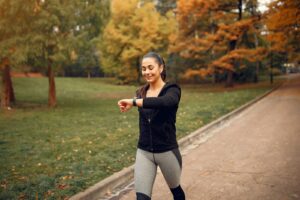
Besides acupuncture, healthy habits can help prevent constipation. For example, eating more fiber-rich foods supports regular bowel movements. Drinking enough water is also important. In addition, regular exercise helps keep your digestive system active. Try these tips:
Prevention Strategies for Constipation
Preventing constipation is often easier than treating it. Therefore, make small changes to your daily routine. For instance, add more fiber to your meals slowly. Also, listen to your body’s signals and do not ignore the urge to go. If you travel or change your routine, try to keep your eating and bathroom habits steady. These steps can help keep your digestive health on track.
When to Consult a Healthcare Professional
Sometimes, constipation can signal a more serious problem. If you have severe pain, blood in your stool, or constipation lasting more than two weeks, see a doctor. Additionally, if you have other health issues, talk to your healthcare provider before starting acupuncture. Many acupuncture clinics near you offer consultations to discuss your needs. Always seek advice from a qualified professional for the best care.
Conclusion
Acupuncture for constipation is a natural option that may help improve digestive health. While it offers many benefits, it is important to use it safely. Combine acupuncture with healthy habits for the best results. Consult a qualified acupuncture specialist or healthcare provider for personalized advice on managing constipation.