Introduction
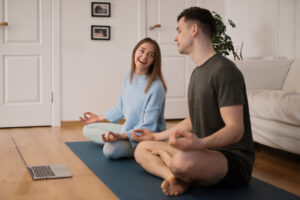
Yoga for stress relief is a natural way to calm your mind and body. Many people use yoga to manage daily stress and feel more relaxed. In fact, simple breathing techniques can help you find daily calm and improve your mood. When you practice wellness through yoga, you may notice better sleep, less anxiety, and more energy. Because these methods are easy to learn, anyone can try them at home. Let’s explore how yoga and breathing exercises can help you feel better every day.
What is Stress?
Stress is your body’s response to challenges or demands. Sometimes, stress can help you stay alert. However, too much stress can make you feel tired, worried, or even sick. For example, you might feel stress before a big test or meeting. Over time, ongoing stress can affect your health. According to the World Health Organization (WHO), long-term stress can lead to problems like headaches, trouble sleeping, and a weak immune system. That’s why it’s important to find healthy ways to manage stress.
How Yoga Helps Relieve Stress
Yoga is an ancient practice that combines movement, breathing, and relaxation. Not only does yoga help stretch your muscles, but it also calms your mind. Many studies show that yoga can lower stress levels and improve mental health. For instance, the Centers for Disease Control and Prevention (CDC) notes that yoga may reduce anxiety and boost your mood. When you focus on your breath, your body relaxes and your heart rate slows down. As a result, you may feel more peaceful and less tense. Even a few minutes of yoga each day can make a big difference.
Simple Breathing Techniques for Daily Calm
Breathing exercises are a key part of yoga for stress relief. Because they are easy to do, you can practice them anywhere. Here are three simple techniques you can try:
1. Deep Belly Breathing
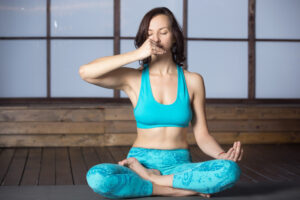
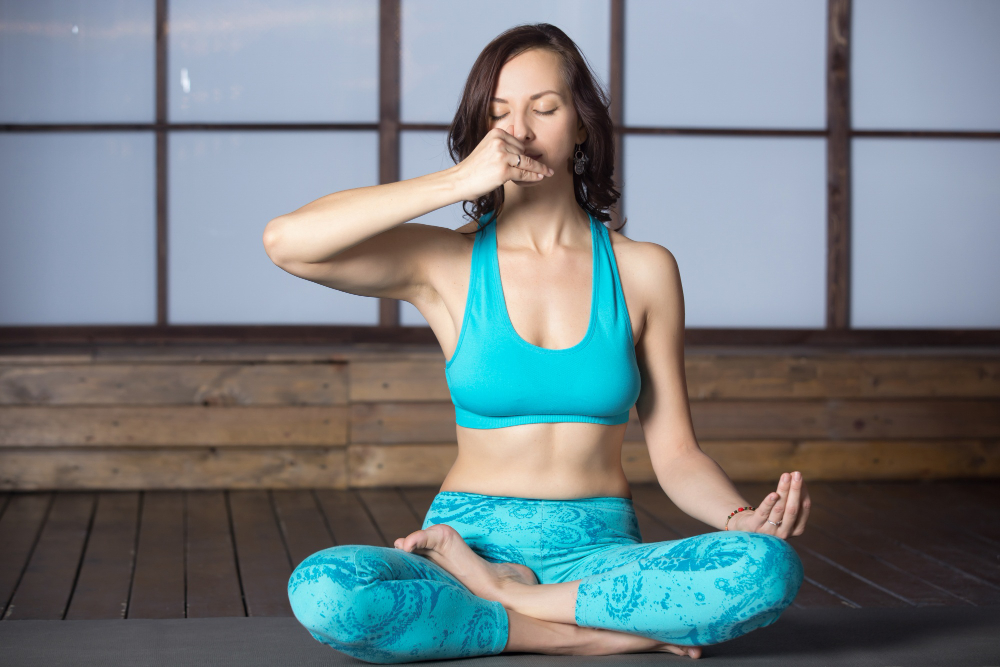
2. Alternate Nostril Breathing
3. Box Breathing
Tips for Incorporating Breathing Exercises into Your Routine
Adding breathing exercises to your day can be simple. For example, you can practice them in the morning or before bed. Here are some tips to help you get started:
Prevention and Lifestyle Guidance for Ongoing Stress Management
Managing stress is not just about breathing exercises. In addition, healthy habits can help you feel better every day. For ongoing stress relief, consider these lifestyle tips:
Remember, making small changes can lead to big results over time. If you feel overwhelmed, it’s okay to ask for help.
Conclusion
Yoga for stress relief offers simple ways to calm your mind and body. By using easy breathing techniques, you can find daily calm and improve your well-being. For best results, try to make these practices part of your daily routine. Consult a certified yoga instructor or healthcare professional for personalized guidance.