Introduction to Acupuncture for Chronic Knee Pain Relief
Chronic knee pain can make daily life hard. Many people look for natural knee pain relief options. Acupuncture for chronic knee pain relief is gaining attention. This ancient practice may help reduce pain and improve movement. In this blog, you will learn how acupuncture works, its benefits, and what to expect during a session.
What Is Acupuncture?
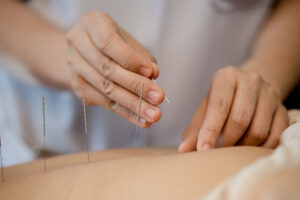
Acupuncture is a traditional Chinese medicine practice. It uses very thin needles placed at specific points on the body. These points are believed to help balance energy and support healing. Today, many people use acupuncture for wellness and pain management.
How Acupuncture Helps with Chronic Knee Pain
Acupuncture for knee pain works in several ways. First, it may help the body release natural painkillers called endorphins. Second, it can reduce swelling and improve blood flow to the knee. As a result, many people feel less pain and stiffness.
Because of these effects, acupuncture is seen as a natural knee pain relief option.
Common Causes and Symptoms of Chronic Knee Pain
Chronic knee pain can come from many sources. For example, it may be due to:
Common symptoms include:
Because these symptoms can affect daily life, many people seek chronic knee pain treatment options.
What to Expect During an Acupuncture Session
Before your first session, your acupuncture specialist will ask about your health and knee pain. Next, you will lie down in a comfortable position. The specialist will gently insert thin needles into specific points on your body. Most people feel little or no pain. The needles usually stay in place for 15 to 30 minutes. After the session, you may feel relaxed or notice less pain.
Evidence and Research
Many studies have looked at acupuncture for knee pain. For example, the World Health Organization (WHO) lists acupuncture as a helpful treatment for knee pain. Some research in medical journals shows that acupuncture can reduce pain and improve movement for people with knee osteoarthritis. However, results can vary from person to person. The Centers for Disease Control and Prevention (CDC) also notes that acupuncture is a safe option when done by a trained specialist.
Safety, Risks, and Who Should Avoid Acupuncture
Acupuncture is safe for most people when done by a licensed specialist. Still, there are some risks. For instance, you may have mild bruising or soreness where the needles go in. Rarely, infection or injury can happen if needles are not clean. You should avoid acupuncture if you:
Always talk to your doctor before starting any new treatment.
Lifestyle Tips and Prevention Strategies for Knee Pain
Besides acupuncture, you can take steps to protect your knees. For example, try these tips:
Because prevention is key, these habits can help lower your risk of knee pain.
Frequently Asked Questions (FAQ)
Conclusion
Acupuncture for chronic knee pain relief offers a natural way to manage pain and improve movement. Because each person is different, results may vary. For the best advice, consult a qualified acupuncture specialist for personalized care.